Fire Rated Doors in Miami: Rolling Fire Doors, and What Code Asks of the Garage to House Door
Rolling fire doors in Miami: label, automatic closing, listed operators and the yearly NFPA 80 drop test, quoted in 24 hours. Plus the garage to house door.
· updated
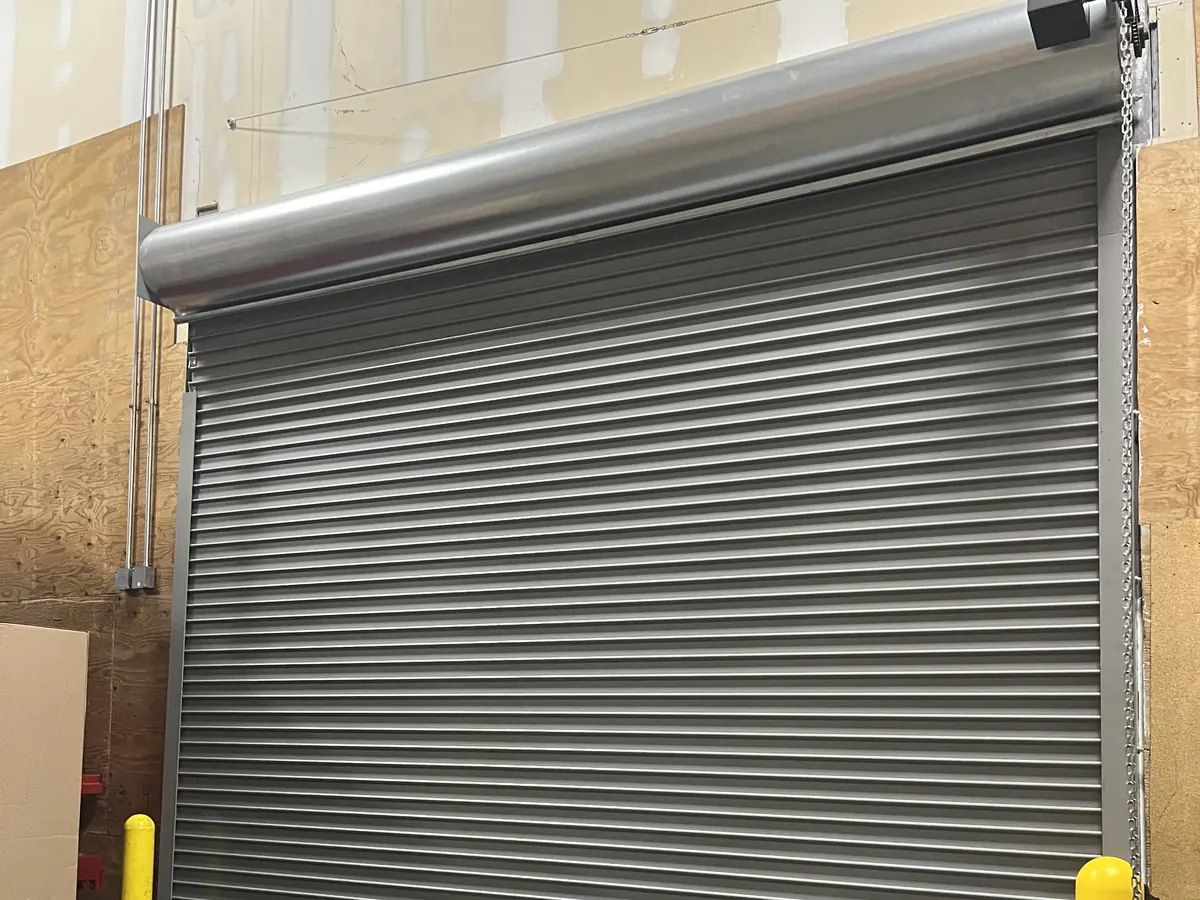
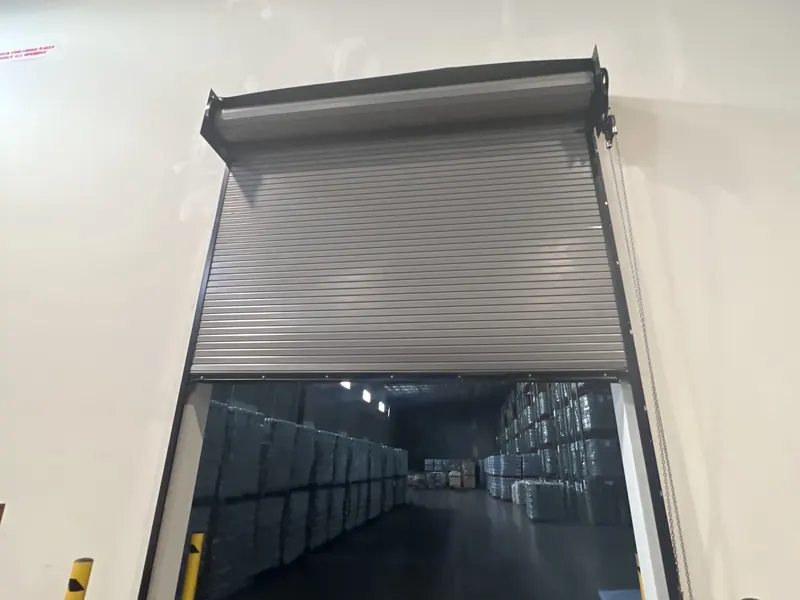
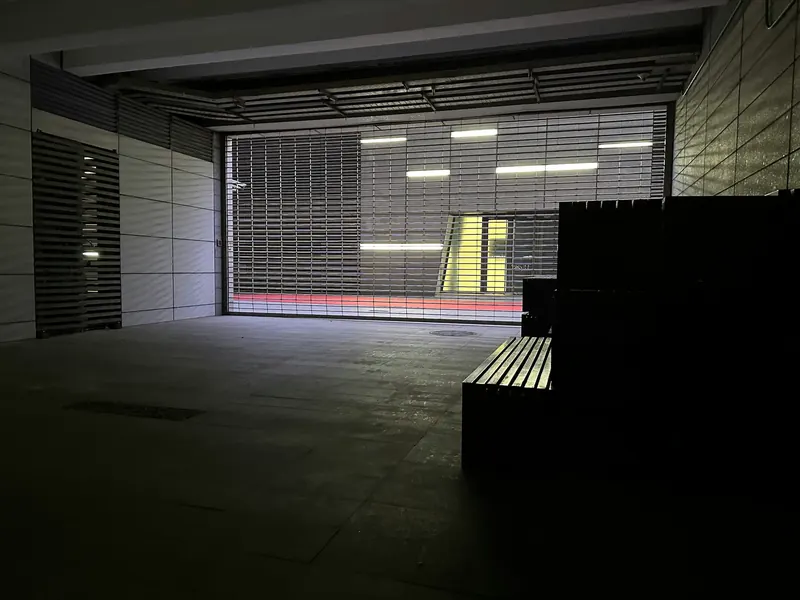
A fire rated door is a door assembly tested and labelled to hold back fire for a set amount of time. On a commercial building that usually means a rolling fire door in a fire rated wall, and that is our work: we supply, install, repair and drop test rolling fire doors across Miami-Dade, Broward and Monroe County. In a house, the code targets a different door, the one between the garage and the living space, which we do not supply. Both are covered below.
What makes a rolling fire door a fire door
- The label. The door carries a fire rating label from the agency that lists it. The rating has to match the wall the door closes, commonly 3/4, 1, 1 1/2 or 3 hour, and we confirm it from the drawings or the existing label before ordering.
- Automatic closing. The door stays open in daily use and closes on its own in a fire: a fusible link melts at a set temperature, or a listed release device takes a signal from the fire alarm or from smoke or heat detectors. A governor keeps the closing speed under control.
- One listed assembly. The curtain, hood, guides, bottom bar and closing mechanism are built and labelled together. A hood or guide from another door, or a field change the listing does not allow, voids the label.
- The operator. A chain hoist, or a motor operator listed for fire doors with a fail safe release, so the door still closes when the alarm sounds or the power fails. A standard operator does not qualify.
- Testing. NFPA 80 calls for a drop test when the door is installed, then an inspection and drop test at least once a year, with a written record for the fire inspector.
What a rolling fire door costs
We quote rolling fire doors in writing within 24 hours of getting the opening size and the wall rating, instead of publishing a catalogue figure. The price has to cover the door at the right rating, the closing and release hardware, the tie in to the fire alarm and the acceptance drop test, and those change more from one opening to the next than they do on a plain service door. For scale, a plain service door at 10 by 10 ft starts at $6,550 installed on our rolling doors page, and a fire door at the same size costs more because of the rated curtain and the release hardware. The yearly inspection and drop test on an existing fire door is part of our commercial maintenance plan: $349 a year for the first door and $225 for each additional door on the same site.
In a house: the garage to house door
In a house, fire rating mostly means the door between your garage and your living space, not the garage door facing the street. If you're asking about fire rating on the actual garage door itself, that's not usually what code requires here. What matters more for a Miami garage door is wind resistance, and we cover that under our garage door services.
What actually causes confusion here in South Florida
Folks search "fire rated doors" for a few different reasons and South Florida adds its own wrinkle. Miami-Dade and Broward run their own wind code on top of whatever fire code applies, so a door that's fire rated somewhere else in the country might still not be approved for use here without separate wind testing. Heat and salt air also age out door hardware and seals faster than in a drier climate, so a fire door's gasket or self-closing hinge can fail early even if the door itself is fine. And a lot of older Miami houses have a garage-to-house door that was never fire rated in the first place, because that requirement got tightened over the years and older permits didn't catch up.
None of that is about your sectional garage door bowing or your rollers rusting, but people land on "fire rated" when they're really trying to figure out what their garage door assembly needs to meet code, and the two get mixed up constantly in casual conversation and in search results.
How to tell which case you're in
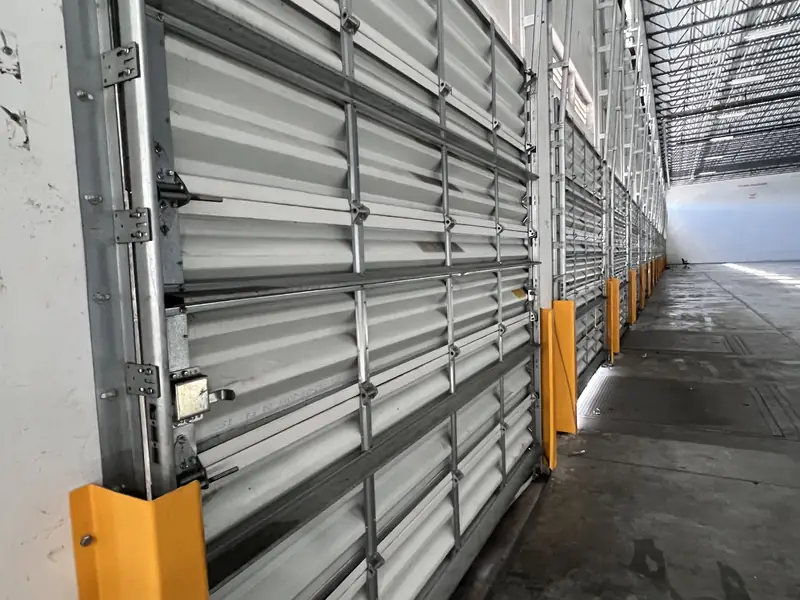
Look at the door between your garage and the inside of your house first, since that's the one fire code usually targets. A proper fire rated door has a metal label or stamp on the hinge edge, usually a small tag riveted or stamped near the top hinge, stating the rating, and it should also have a self-closing hinge or closer arm, not just a regular hinge. If that door is hollow-core wood with no label and no self-closer, it doesn't meet the standard whether or not the house passed inspection at some point in the past.
If what you're actually worried about is your street-facing garage door and whether it's up to Miami-Dade or Broward wind code, that's a different question entirely, and the answer is on the sticker or data plate mounted on the inside of the door itself, which lists the wind load and impact rating it was tested to.
What the garage to house door costs
We do not do this part: a fire rated door between garage and house is a hinged interior door, and a door and frame contractor supplies and hangs it. Swapping one in, including a rated frame and self-closing hardware, isn't a fixed number, it depends on the size of the opening, whether the frame needs to be replaced too, and whether trim and paint work come with it. If what you actually need is garage door repair or a new sectional door rated for our wind code, the current ranges for that kind of work in Miami are published at what garage door repairs cost in Miami, and that page gets kept current rather than us guessing here.
When it's safe to do yourself and when it absolutely is not
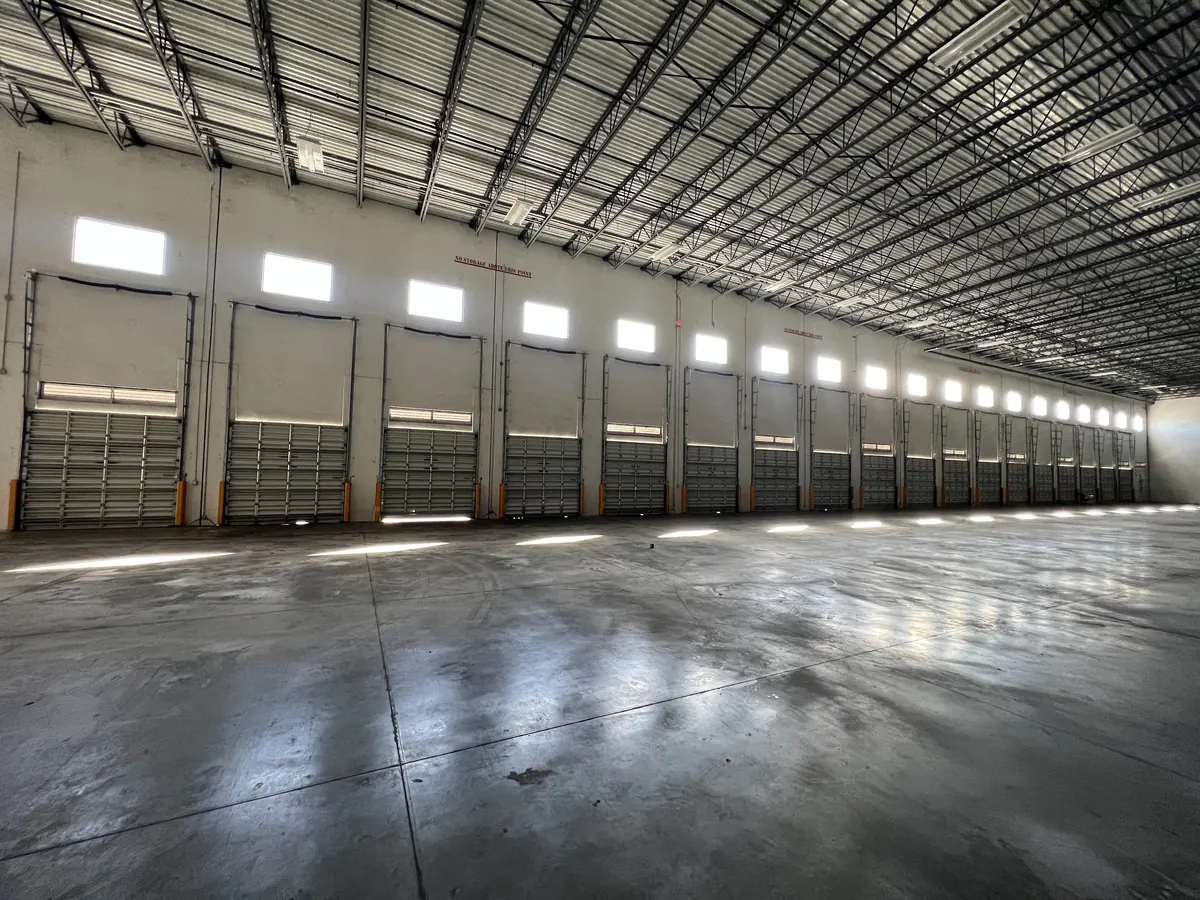
On a rolling fire door, leave it alone: never tie it open, block its path, swap its fusible link or disconnect its release, because each of those can stop it closing and voids the label. In a house, swapping a hollow door for a rated one, hanging a new self-closing hinge, adjusting a door closer arm: a reasonably handy homeowner can do that with the right hardware, as long as the new door and frame actually carry the rating you need and you're not just eyeballing it.
What you should never touch yourself is anything involving a torsion spring on your garage door. Torsion springs are wound under heavy tension to lift a door that weighs more than most people expect, and if that spring lets go while you're working on it, it can break bones or worse. That's true whether the job started out being about a fire rating question or a garage door that won't open. Leave spring work to someone who does it for a living.
What we do on a service call
When we get a call about this, we start by figuring out which door the customer actually means, because half the time "fire rated doors" turns into a garage door wind code question once we're standing in front of it. If it's the interior door, we can show you the label and closer to look for, but we do not replace hinged interior or entry doors, so that job goes to a door and frame contractor. On a commercial building, the rolling fire doors are our work: we install them, repair them with listed parts, drop test them to NFPA 80 and leave the signed record. If it's the garage door itself, we check the data plate for the wind and impact rating, look at the springs, tracks, and opener, and give an honest assessment of what's worn versus what's actually unsafe or out of code. Either way you get a plain explanation before any work starts, not a sales pitch.
If you're not sure which door you're dealing with, or you've got a garage door that's rattling, sagging, or just old and you want it looked at with Miami's wind code in mind, give us a call at (786) 315-9238. We cover Miami-Dade, Broward and Monroe County, 8am to 6pm seven days a week, and we're licensed, insured and bonded in Florida with 20 years doing this work. Every price we charge is on our published price list.
Fire rated door questions
Does the door between my garage and house have to be fire rated?
The Florida Building Code, Residential, asks for the door between an attached garage and the house to be solid wood or solid or honeycomb core steel at least 1 3/8 inches thick, or a door with a 20 minute fire rating. Many older Miami homes predate that. It is the interior door the code targets, not the overhead garage door.
Does my garage door need a fire rating?
Not in a house. A residential garage door in Miami-Dade and Broward has to meet the wind and impact rules of the High Velocity Hurricane Zone, and that is the approval the permit counter checks. Fire rating is a question for the interior door between the garage and the house.
What is a rolling fire door?
A rolling steel door built and labeled as a fire door assembly. It stays open in normal use and closes on its own when a fusible link melts or when the fire alarm system releases it. Rolling fire doors protect openings in fire rated walls in warehouses, parking garages and multi tenant buildings, and they carry a testing laboratory label showing the rating.
How often does a rolling fire door have to be tested?
NFPA 80, the standard fire marshals enforce for fire door assemblies, calls for inspection and testing at least once a year, including a drop test that proves the door closes fully on its own and can be reset. Keep the written record, because the fire inspector will ask for it.
Can a damaged fire door be repaired?
Often, but only with parts that keep the label valid. A fire door is rated as a complete assembly, so slats, guides, closing mechanisms and fusible links have to be replaced with listed parts, and field changes the listing does not allow can void the rating. A door that cannot be brought back to its listing has to be replaced.
Do you install and repair rolling fire doors?
Yes. We supply and install labeled rolling fire doors and repair existing ones across Miami-Dade, Broward and Monroe County. We do not supply, install or replace the interior door between a garage and a house, or any other hinged entry or interior door; that is work for a door and frame contractor.
What fire ratings do rolling fire doors come in?
Commonly 3/4, 1, 1 1/2 and 3 hour. The door has to match the rating of the wall it closes, which the building code sets and the drawings show. We confirm it from the drawings or the existing label before anything is ordered, and the label on the new door states it.
Can a rolling fire door have a motor?
Yes, but only a motor operator listed for fire doors, with a fail safe release, so the door still closes on its own when the alarm sounds or the power fails. A standard commercial operator on a fire door can stop it closing and does not keep the door compliant.
How much does a rolling fire door cost?
We quote it in writing within 24 hours of getting the opening size and the wall rating. The price includes the rated door, the closing and release hardware and the acceptance drop test, and those move more from one opening to the next than a plain service door does, so we do not publish a catalogue figure. The yearly inspection and drop test on an existing door is part of our commercial maintenance plan, $349 a year for the first door and $225 for each additional door on the same site.