
Plain English
Garage door parts and terms
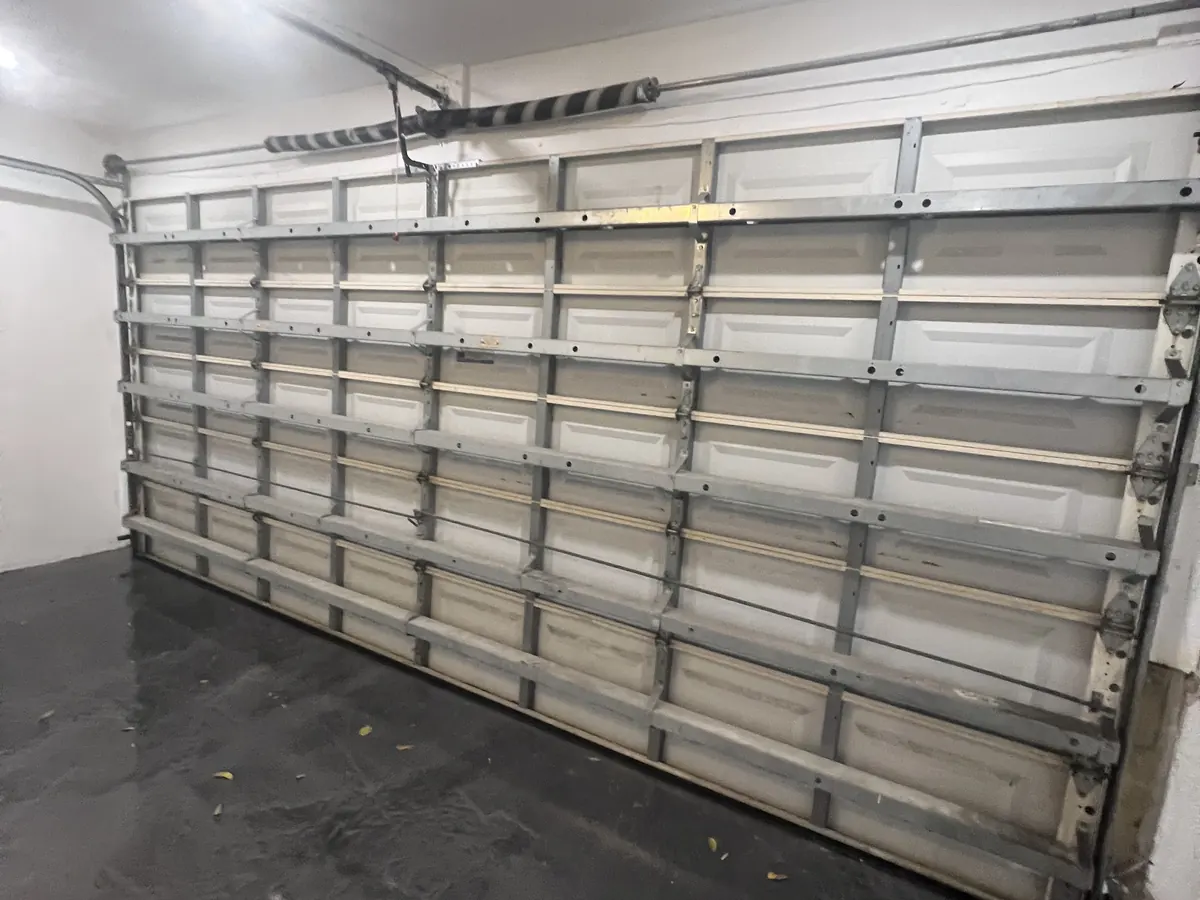
Nobody should need the vocabulary to describe a broken door. Tell us what it is doing and we will work it out. But if you want to know what the technician is pointing at, here it is.
Licensed & insuredLicense 26BS00015, residential and commercial
20 years’ experienceCompany founded 2021, trade experience long before
Hurricane code compliantDoors approved for the Miami-Dade HVHZ
6 terms
The parts that carry the weight
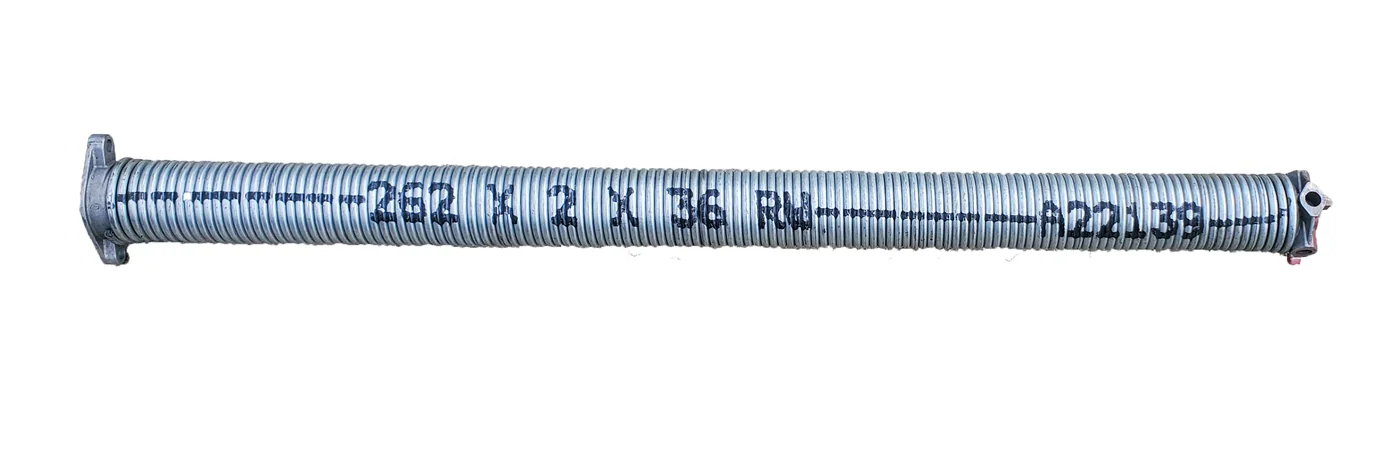
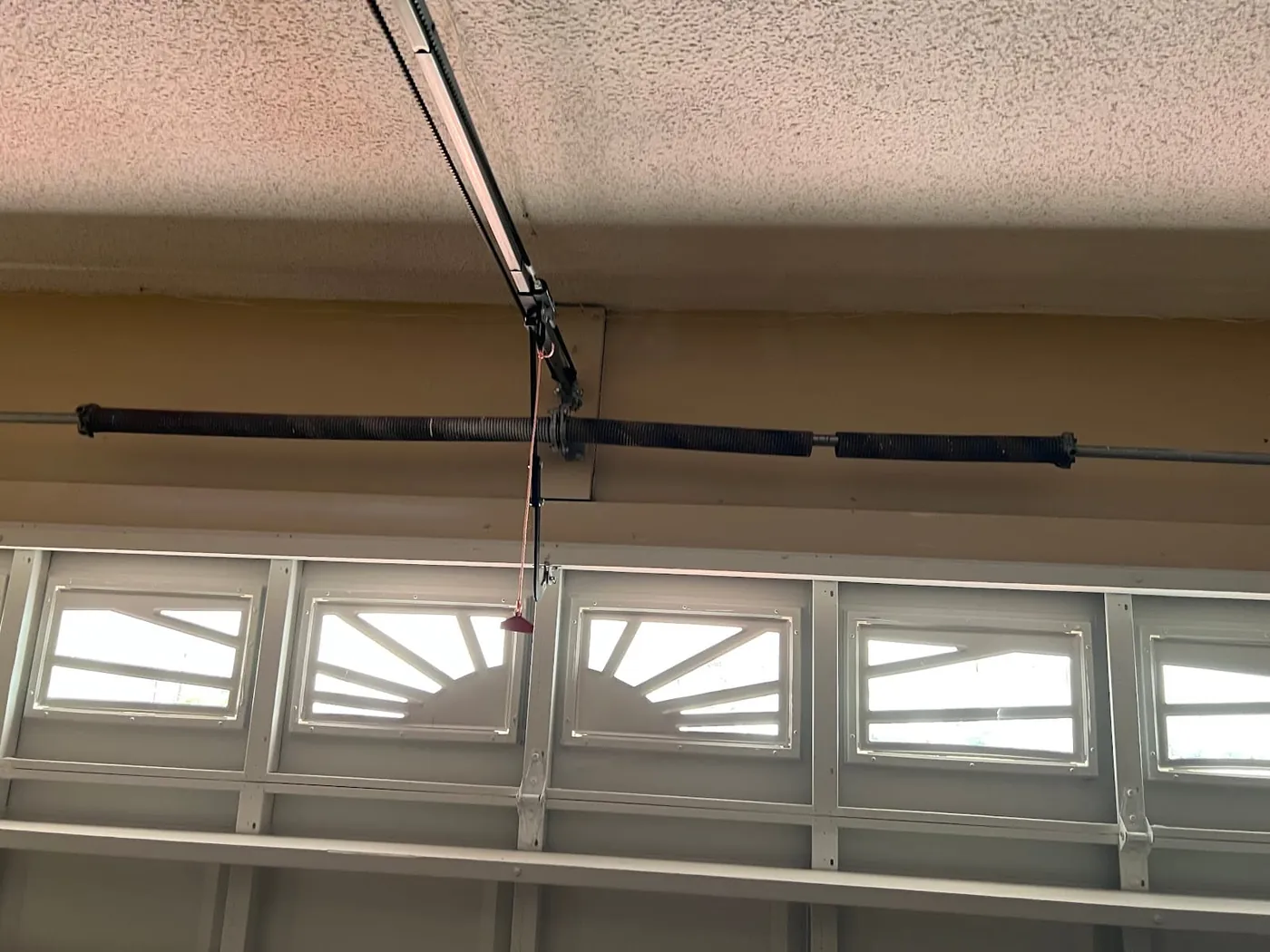
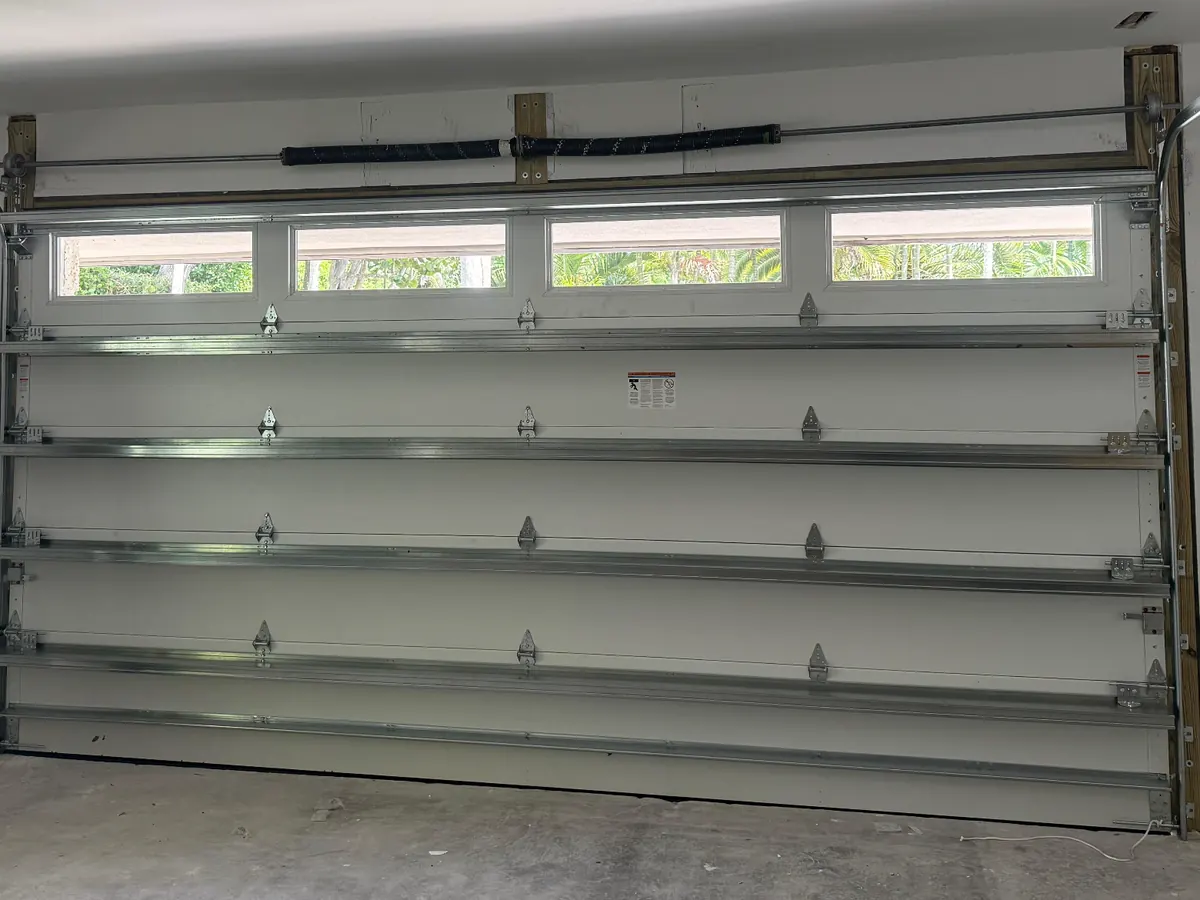
- Torsion spring
- The spring mounted on a bar above the door opening. It winds up as the door closes and unwinds to help lift it. It carries the entire weight of the door, which is why replacing one is a technician job and never a DIY repair. More →
- Extension spring
- The alternative to torsion. These are long springs running along the horizontal tracks either side, which stretch as the door closes. Common on older and lighter doors. Should always have a containment cable through the middle so a break cannot throw the spring across the garage. More →
- Lift cable
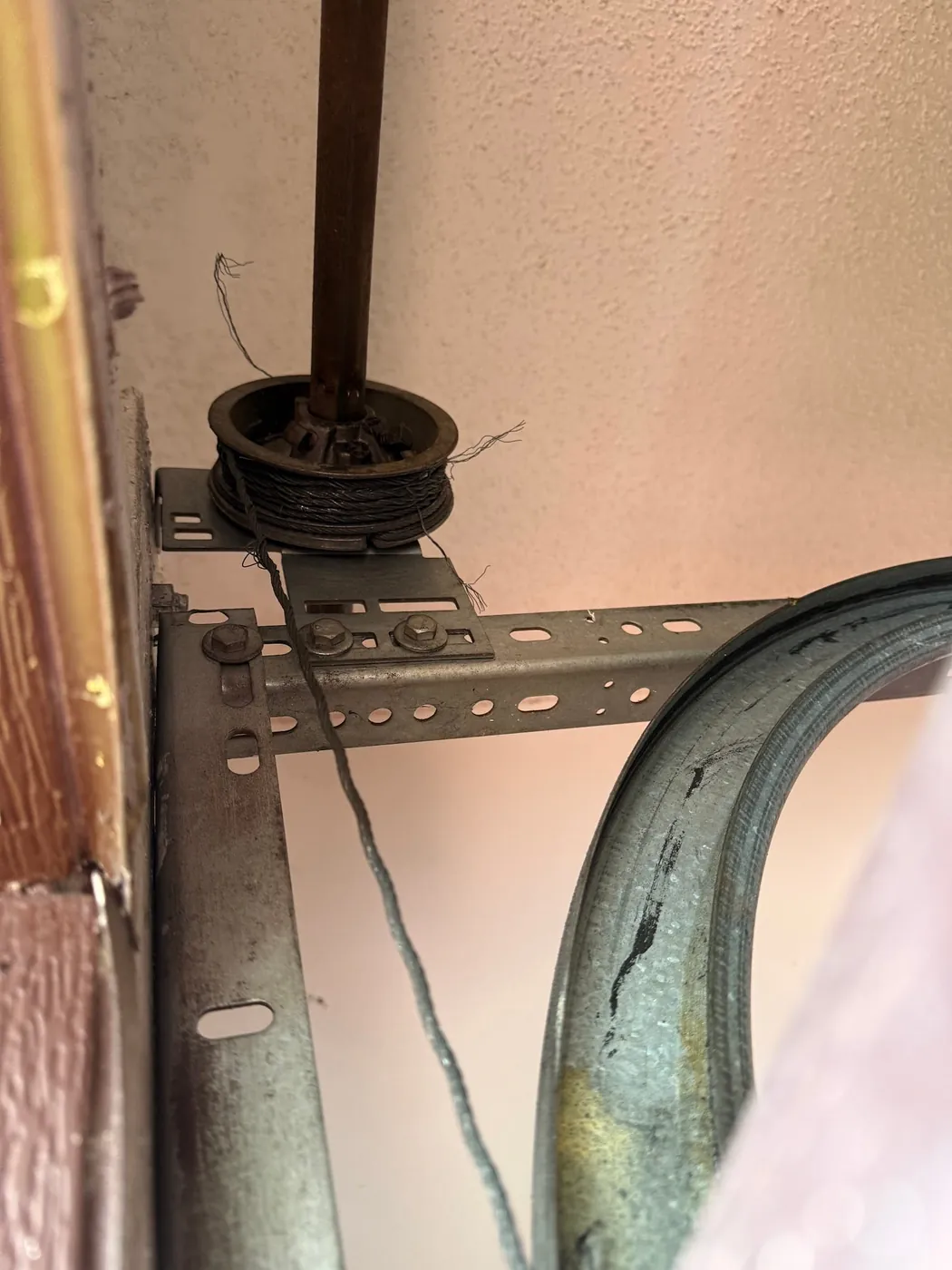
- The steel cable running from the bottom bracket up to the drum. It transfers the spring's force to the door. Cables fray and rust, and in Florida's salt air they do it faster than most places. More →
- Cable drum
- The grooved wheel at each end of the torsion bar that the lift cable winds onto. If a cable jumps its drum the door goes crooked immediately. More →
- Bottom bracket
- The fixing at each bottom corner where the lift cable attaches. It is under full spring tension whenever the door is closed. Never loosen or remove one. This is the single most dangerous fastener on a garage door. More →
- High-cycle spring
- A spring wound from heavier wire and rated for far more open/close cycles than standard. Worth the upgrade on a door used many times a day, or where you simply do not want to deal with it again soon. More →
5 terms
The parts that guide it
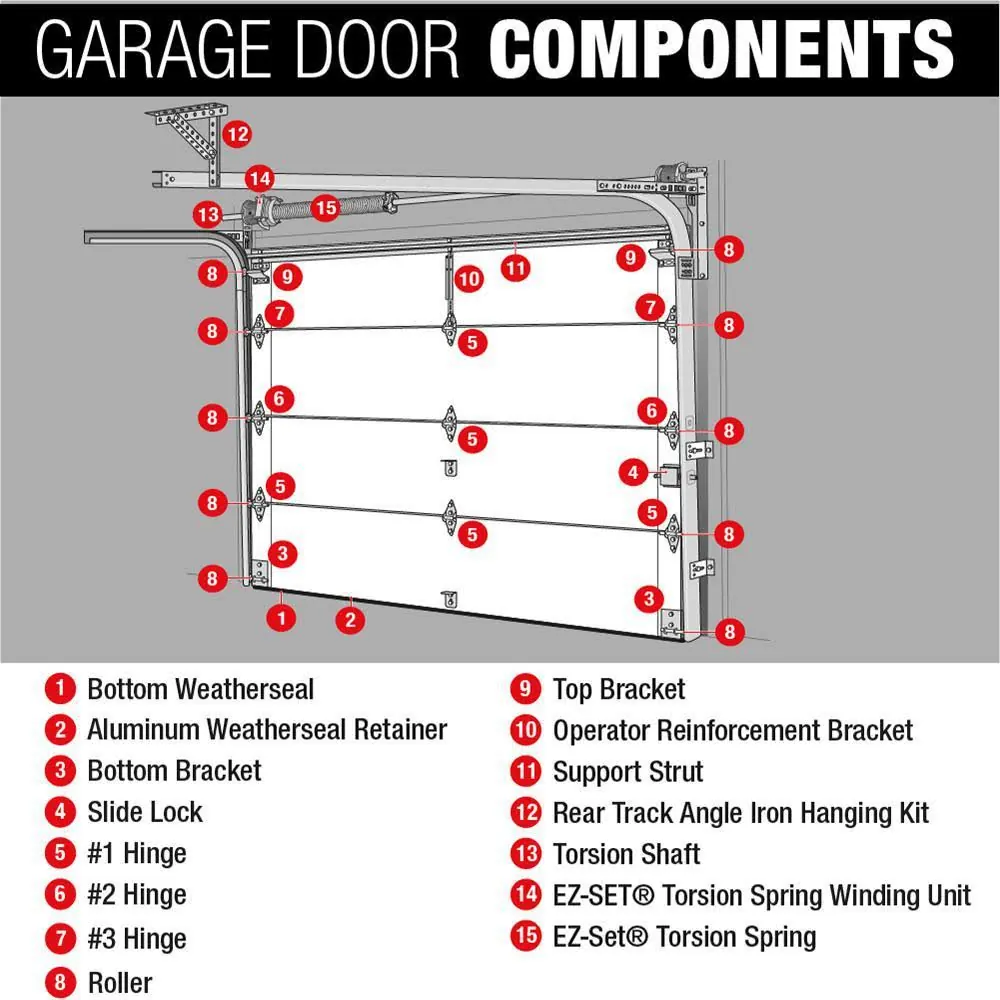
- Roller
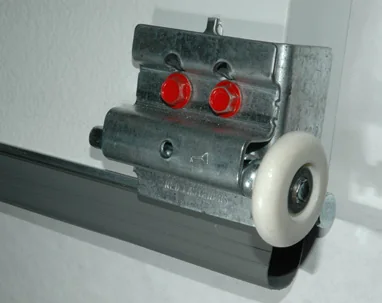
- The small wheel on each hinge that runs in the track. Steel rollers are cheap and noisy; nylon rollers are quieter and do not rust, which matters near the coast. More →
- Track
- The steel channel the rollers run in, vertical either side of the opening and curving to horizontal along the ceiling. A dented or misaligned track will bind the door and eventually throw it off. More →
- Hinge
- Joins one panel to the next and holds the roller. Numbered by position on the door. Cracked hinges are a common cause of a door that has started to rattle. More →
- Section or panel
- One horizontal slab of the door. A sectional door is made of four or five, hinged together so it can bend from vertical to horizontal. More →
- Weatherseal
- The rubber strip along the bottom of the door, and sometimes up the sides. Keeps out water, dust and pests. Cheap, and usually the first thing to perish in Florida sun. More →
9 terms
The opener
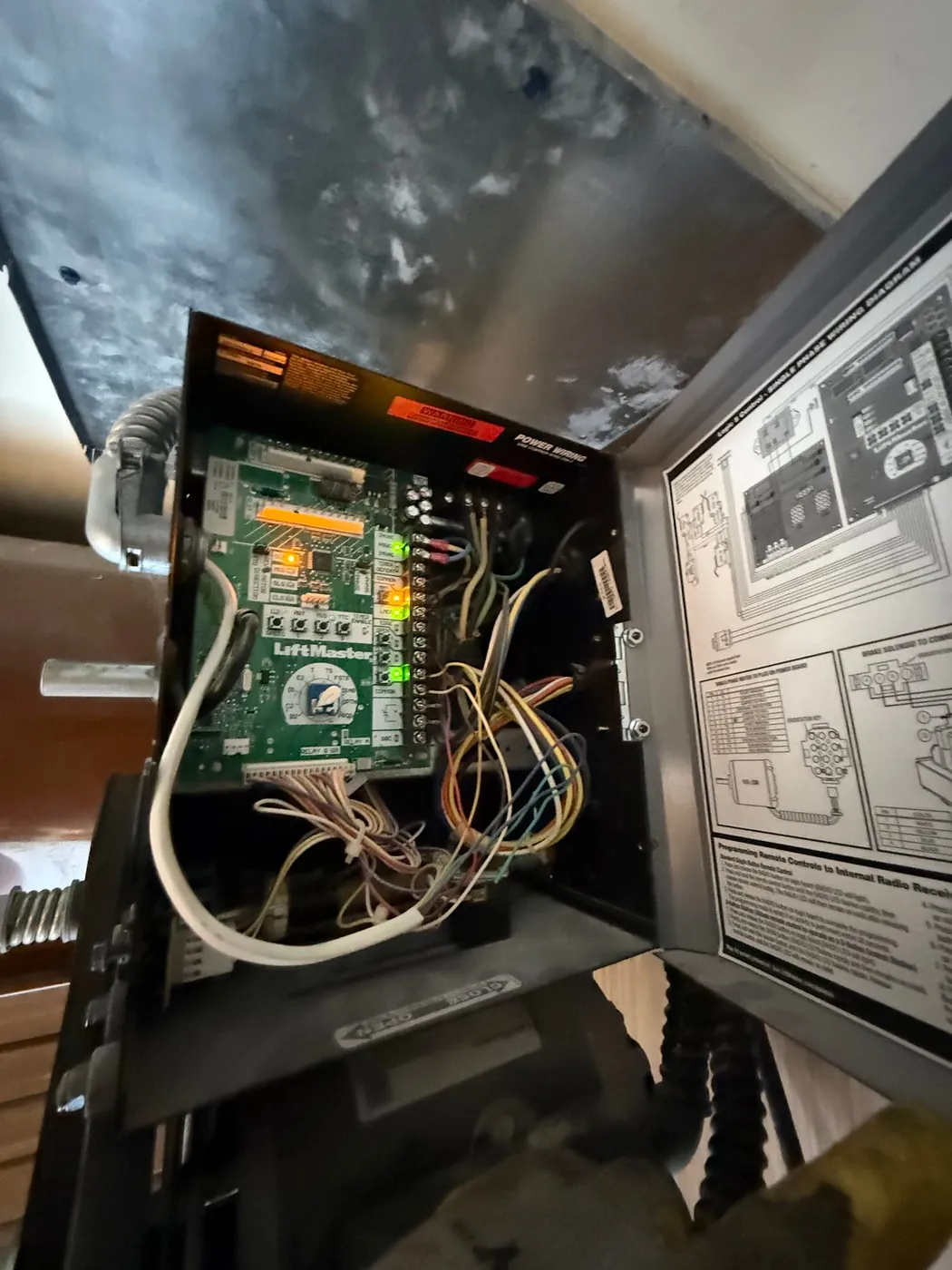
- Chain drive
- An opener that pulls the door with a metal chain. Cheapest and very durable, but it transmits noise through the rail. Fine over a garage nobody sleeps above. More →
- Belt drive
- The same mechanism with a reinforced rubber belt instead of a chain. Significantly quieter, and the right choice when there is living space next to or above the garage. More →
- Jackshaft opener
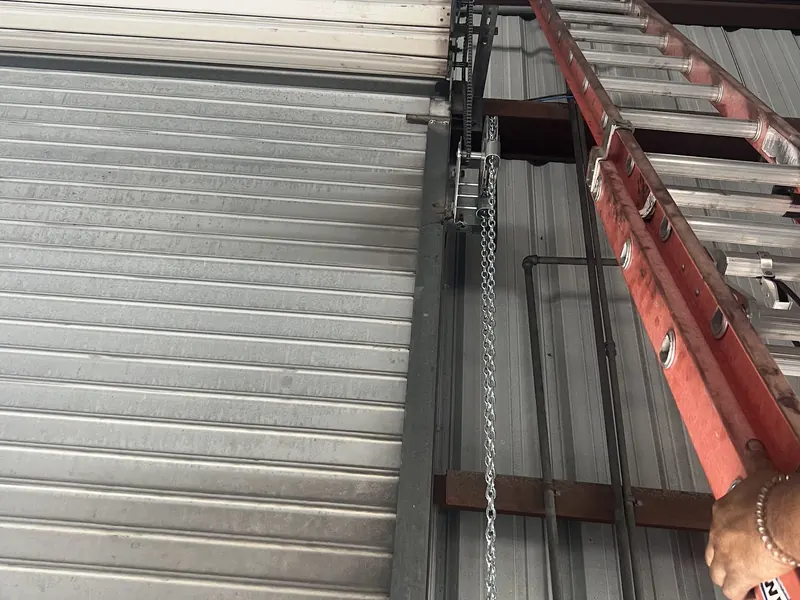
- A wall-mounted opener that drives the torsion bar directly instead of hanging from the ceiling. Frees up overhead space and suits high-lift and cathedral-ceiling garages. More →
- Photo-eye sensors
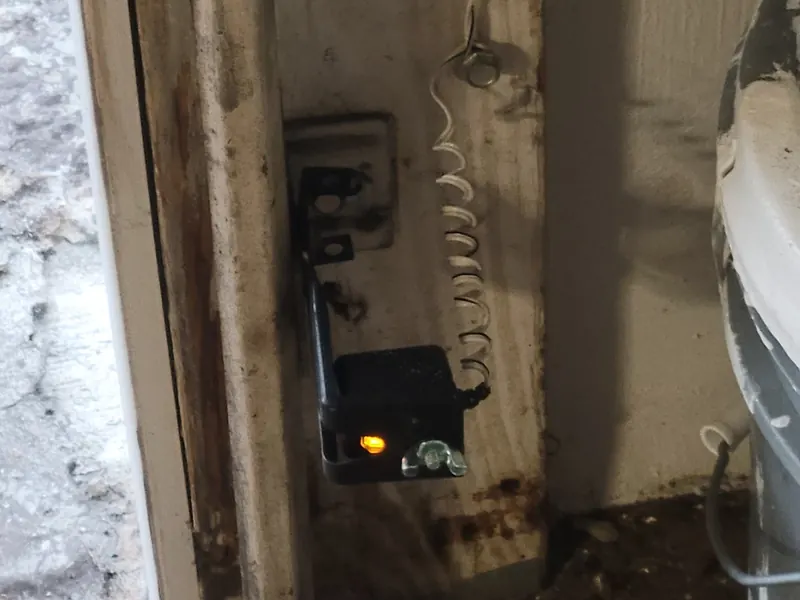
- The pair of sensors near the floor either side of the opening. They shine a beam across the doorway and reverse the door if anything breaks it. Required by federal law since 1993, and the cause of most doors that will not close. More →
- Emergency release
- The red cord hanging from the trolley. Pulling it disconnects the door from the opener so it can be moved by hand. If your motor runs but the door does not move, this is usually why. More →
- Travel limits
- The settings that tell the opener where fully open and fully closed are. Set slightly wrong and the door bounces back up after touching down. More →
- Force setting
- How much resistance the opener tolerates before deciding it has hit something. It is a safety setting. Turning it up to stop a door reversing hides the real fault and removes the protection. More →
- myQ
- LiftMaster's smartphone system. Lets you open, close and check the door remotely and alerts you if it has been left open. We set it up on every opener we install. More →
- Security+ 2.0
- LiftMaster's rolling-code radio system. The code changes every time you press the remote, so a captured signal cannot be replayed to open your door. More →
6 terms
Florida code and wind
- HVHZ
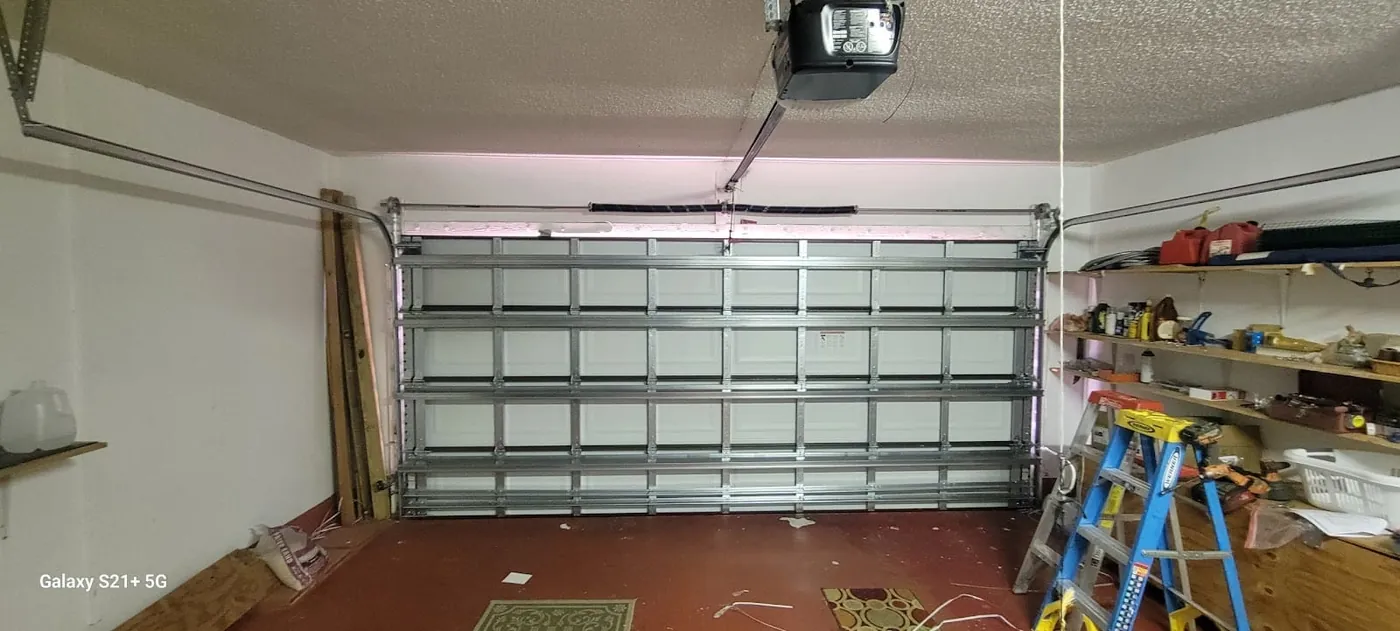
- High Velocity Hurricane Zone, the Florida Building Code region covering Miami-Dade and Broward. The strictest wind-load standard in the country, and it governs what garage door you are allowed to fit. More →
- Design pressure
- The wind pressure, positive and negative, a door has to withstand at your specific address. It depends on location, exposure and the size of the opening, which is why the door has to be specified per property rather than per city. More →
- Product approval / NOA
- The documentation proving a specific door model has been tested to the pressures required. Miami-Dade issues its own Notice of Acceptance. Without it, the installation does not pass inspection. More →
- WINDCODE®
- Clopay's system of wind-load reinforcement: heavier gauge, struts and bracing engineered to hit the required design pressures. What we fit on hurricane impact zone installs. More →
- Wind mitigation credit
- A discount many Florida insurers give for code-approved opening protection. Your insurer decides, but we can supply the product documentation for the inspection. More →
- Impact-rated glazing
- Glass tested to survive a wind-borne debris strike. If you want a full-view glass door in the hurricane impact zone, this is the version you need, and it is a different product from standard glazing. More →
Not sure what broke?
Start from what the door is doing
The symptom is a faster route to the answer than the part name.
Our work
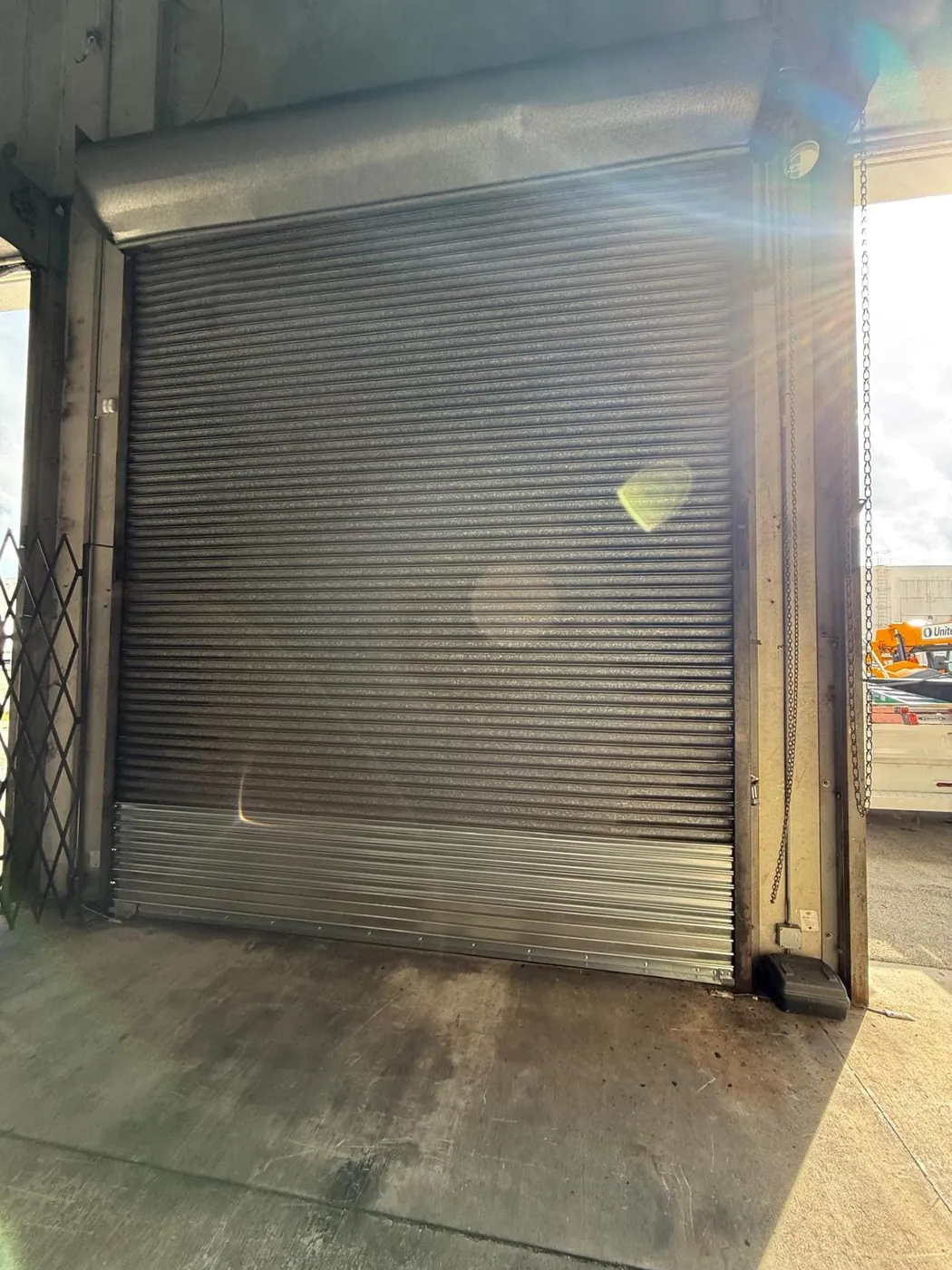
The parts, in the field
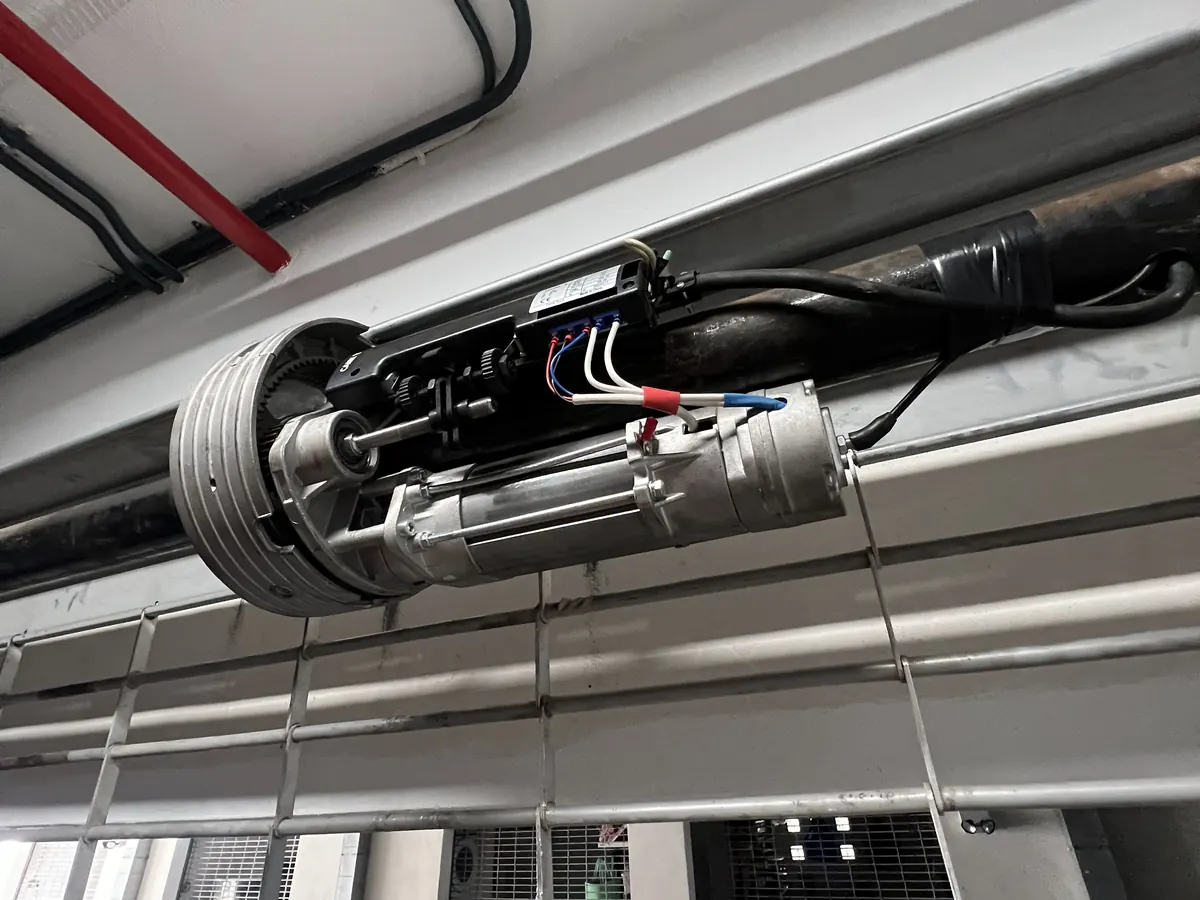
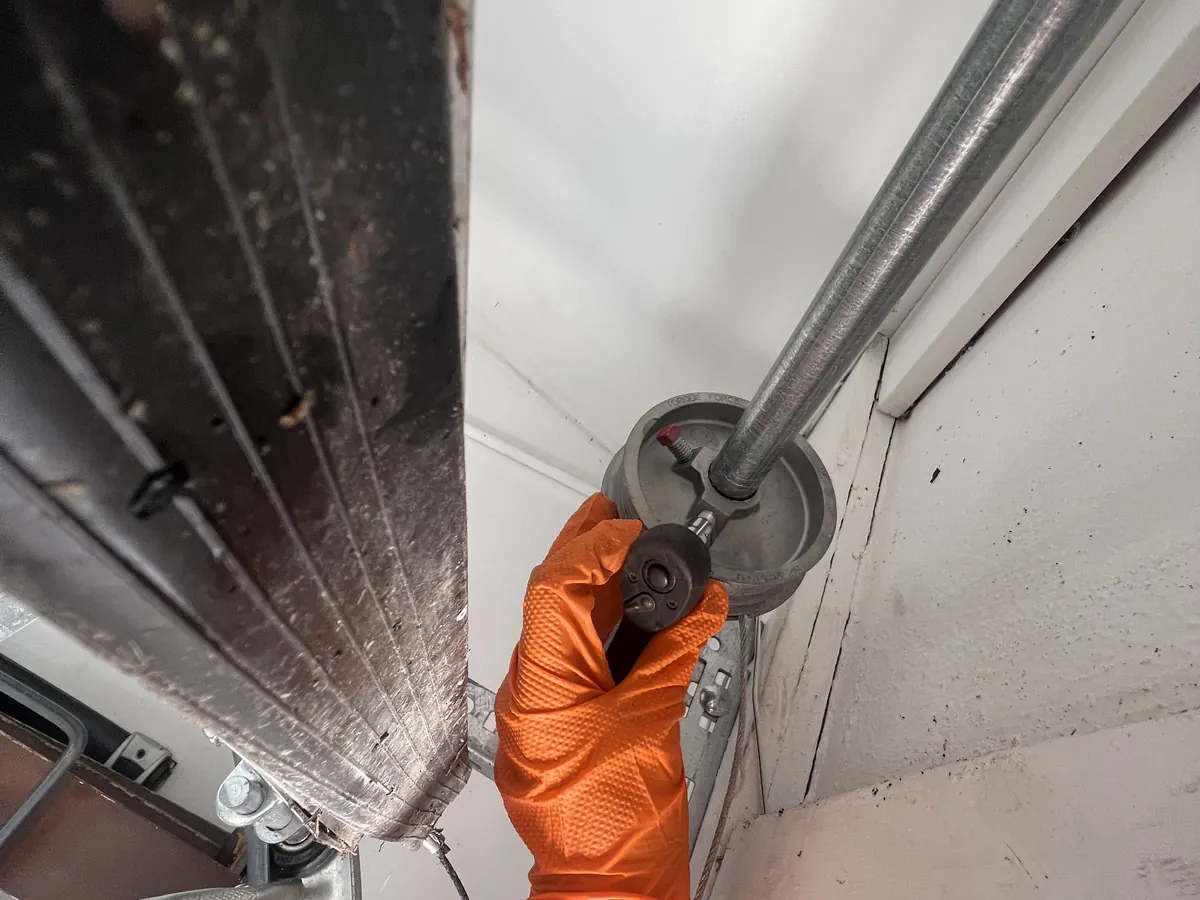
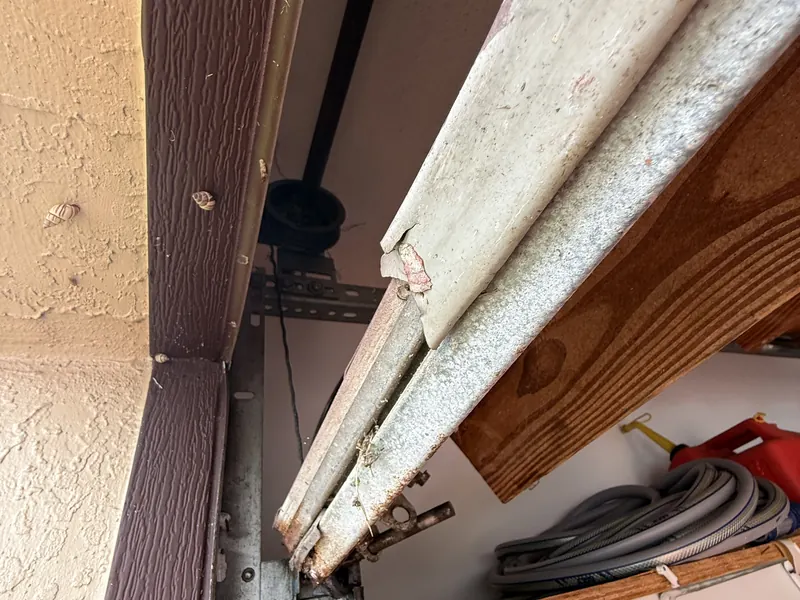
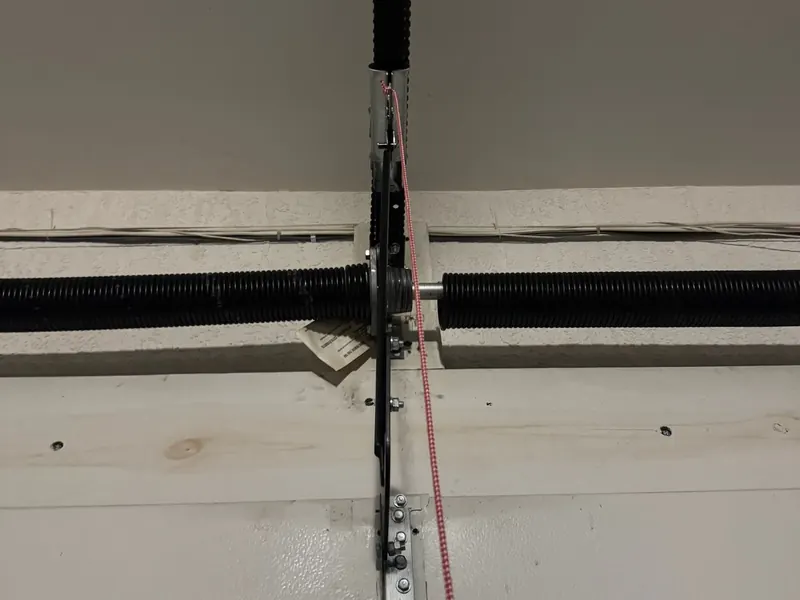
Springs, openers, tracks and rolling doors on our own jobs across South Florida.
Range
Models and collections we install
The doors, finishes and hardware we fit across South Florida.
What the work involves
How the job is actually done
What a proper installation and service visit actually involves, step by step.
Describe it and we'll diagnose it
You don't need the right words. Call and tell us what it's doing and we can usually narrow it down before we arrive.