Troubleshooting

Garage door opens or closes then reverses

If it reverses before touching the floor, suspect the photo eyes. If it touches down first, the close limit is low. How to tell which, in five minutes.
Diagnosis

What's actually causing it

Work down the list. The tells are what separate one cause from another.
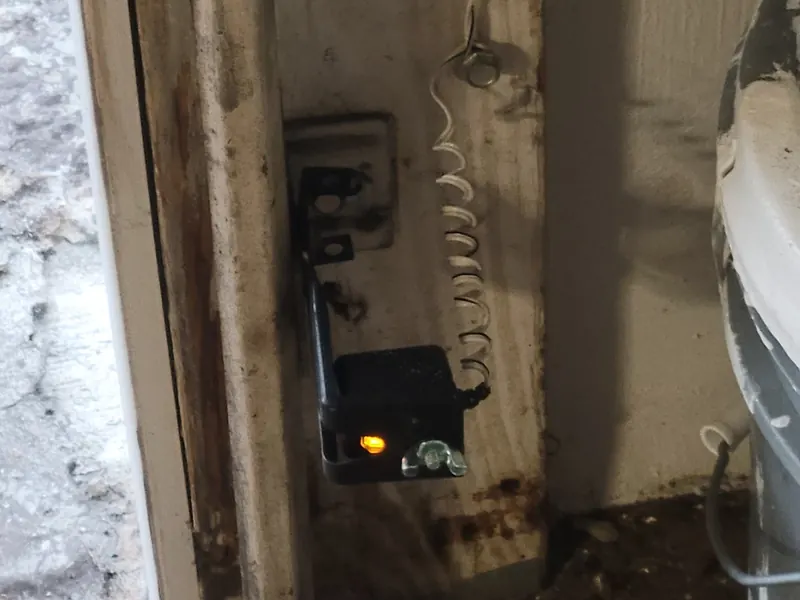
Where the photo-eye safety sensors sit in a garage door opening Looking at the opening from inside. A sensor is mounted on each vertical track about six inches above the floor, and an invisible infrared beam runs between them across the doorway. If anything breaks that beam, or if the two sensors are not pointed at each other, the door will not close. Infrared beam Sensor Sensor About 6 in
If the door reverses before it touches the floor, these are the first thing to check. Either something is breaking the beam or one sensor has been knocked off aim. A blinking opener light is the tell.

Close-limit set too low

Technician job
How you know
The door reaches the floor, touches, then reverses fully. Sensors are solid and there is no obstruction.
The fix
Down-limit adjustment on the motor unit.

Photo-eye sensors misaligned

You can check this
How you know
The door stops and reverses before it gets to the floor, and the opener light blinks.
The fix
Clean and realign both sensors until the LEDs are solid.

Obstruction or debris in the track

You can check this
How you know
It reverses at the same height every time.
The fix
Clear the track and check for dents.

Binding roller or bent track

Technician job
How you know
The door judders just before reversing. The opener is reading the extra resistance as an obstruction.
The fix
Roller replacement or track correction.

Force setting too sensitive

Technician job
How you know
Reverses inconsistently, often worse after a big temperature swing.
The fix
Force adjustment, set correctly and not cranked up to mask a mechanical fault.

Door out of balance

Technician job
How you know
The opener works noticeably harder in one direction, and the door will not hold position when disconnected.
The fix
Spring tension adjustment.
Before you call

Safe things to check yourself

Any of these could save you a service call, and none of them will hurt you or the door.
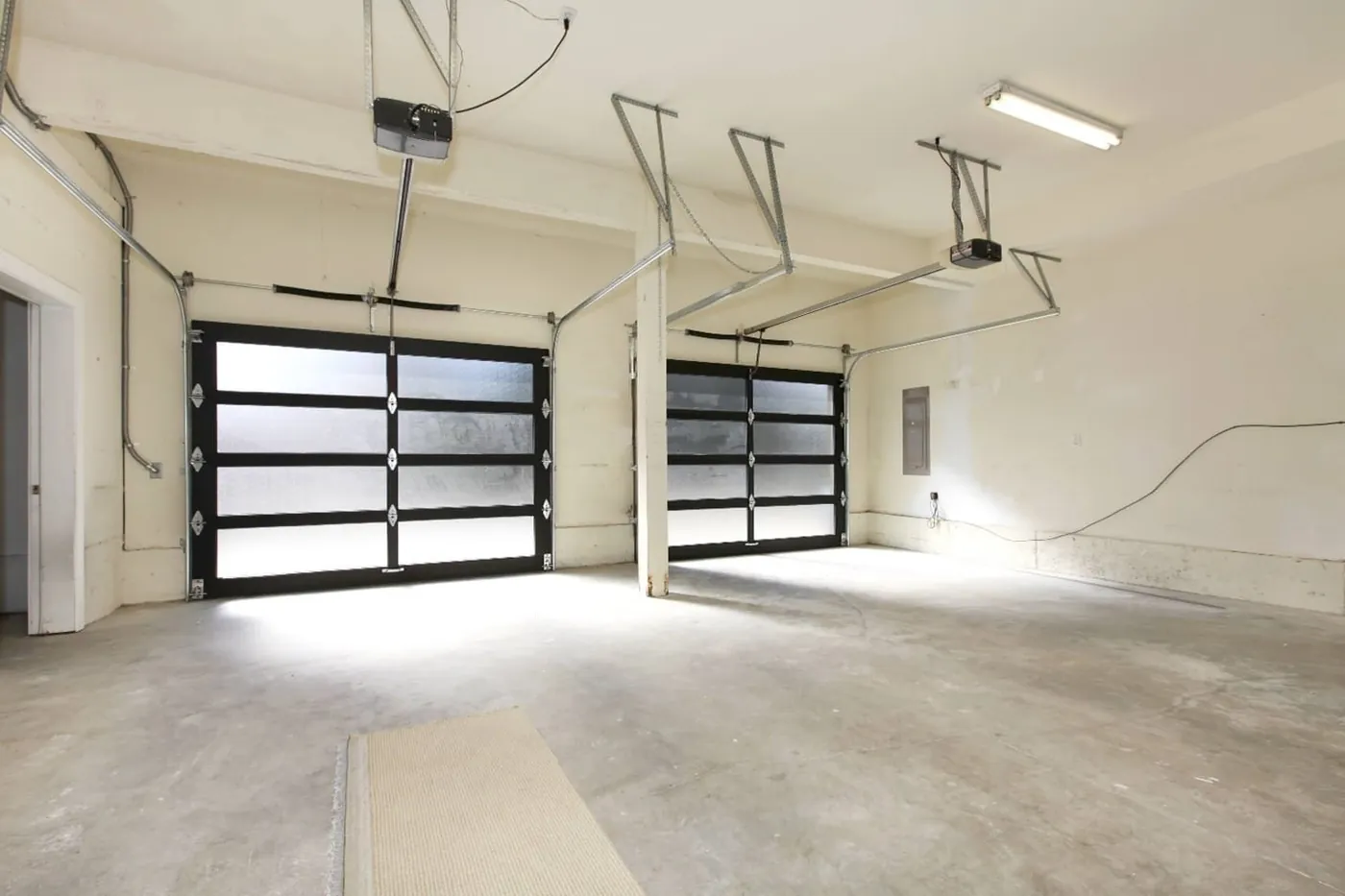
  1. Watch whether it reverses before or after touching the floor. That single detail splits the diagnosis in two.
  2. Check both sensor LEDs are solid and the lenses are clean.
  3. Look along the track at the height where it reverses for debris or a dent.
  4. Disconnect the opener and move the door by hand. It should glide. Any catch is mechanical, not electrical.
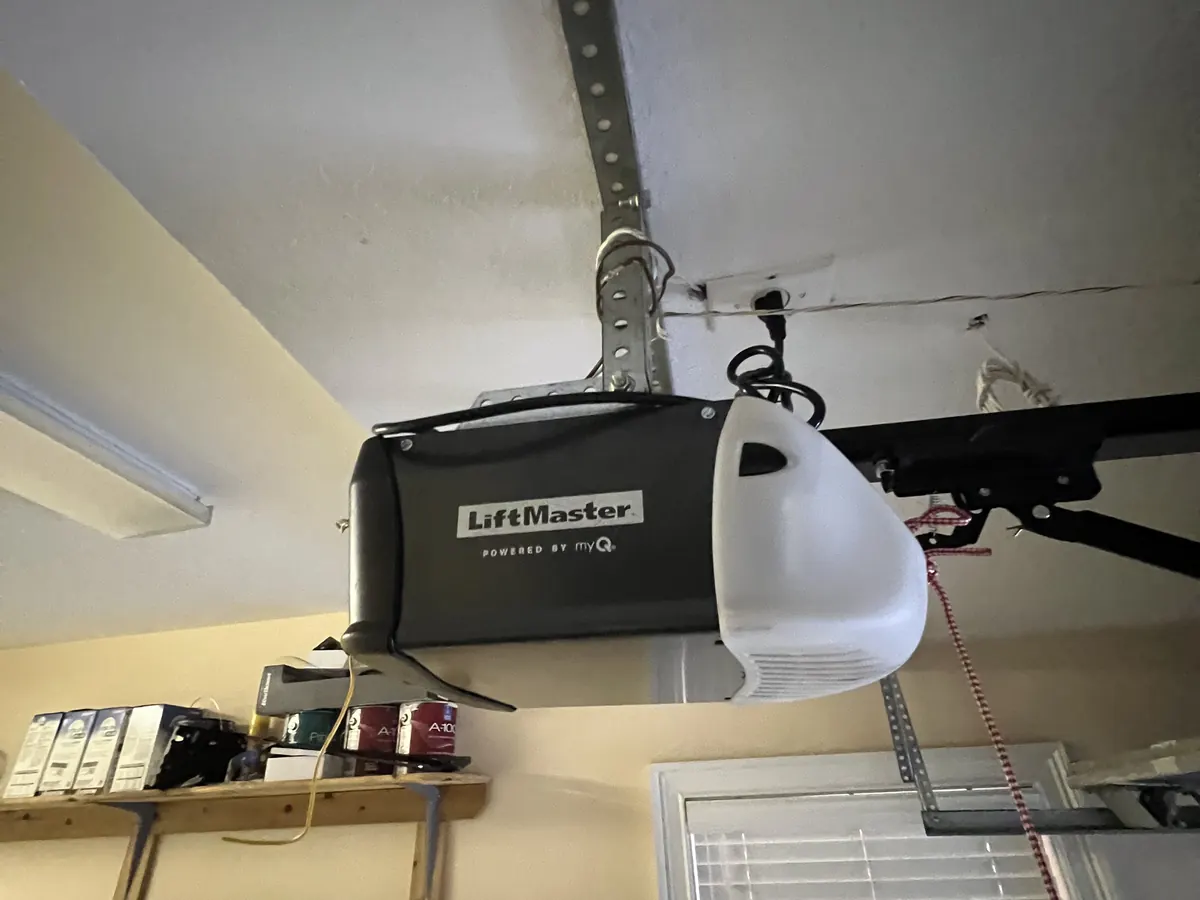
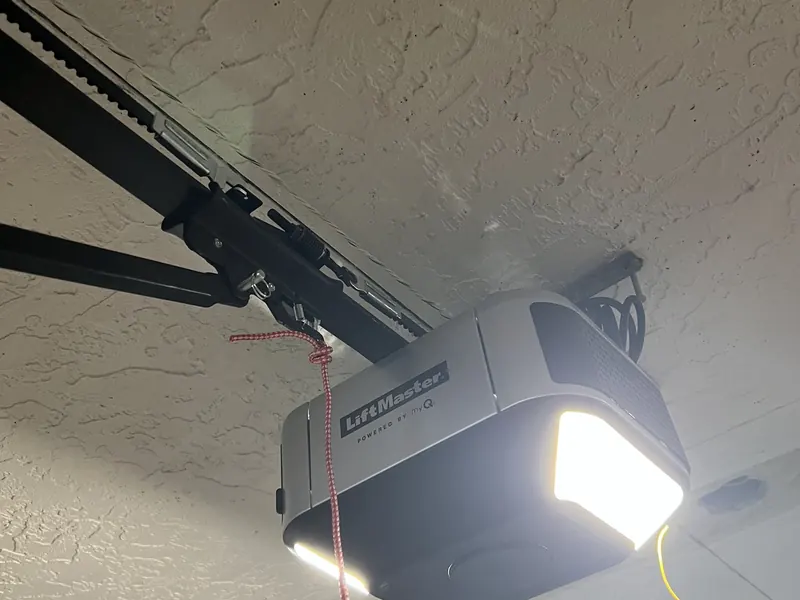
  5. Count the blinks on the opener light. Most units publish a blink code for the fault.
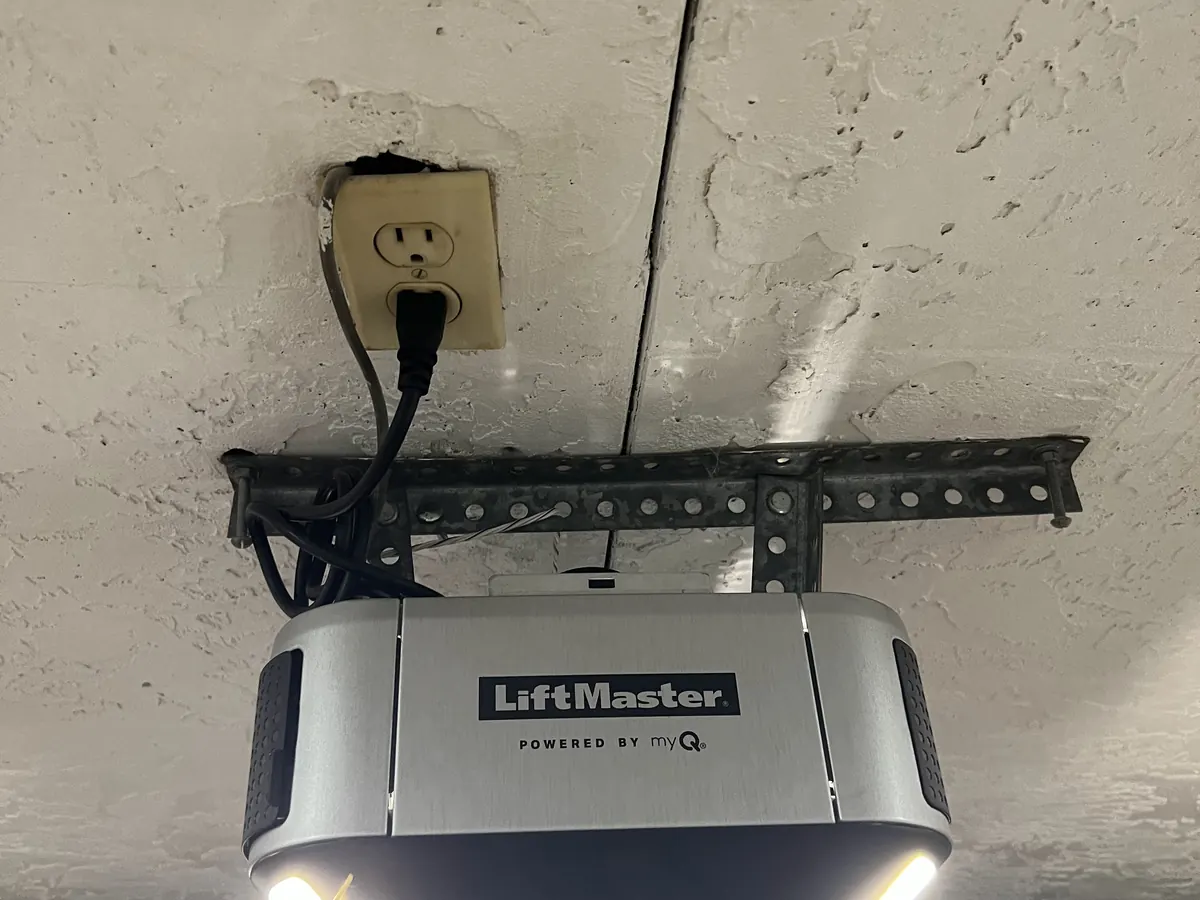
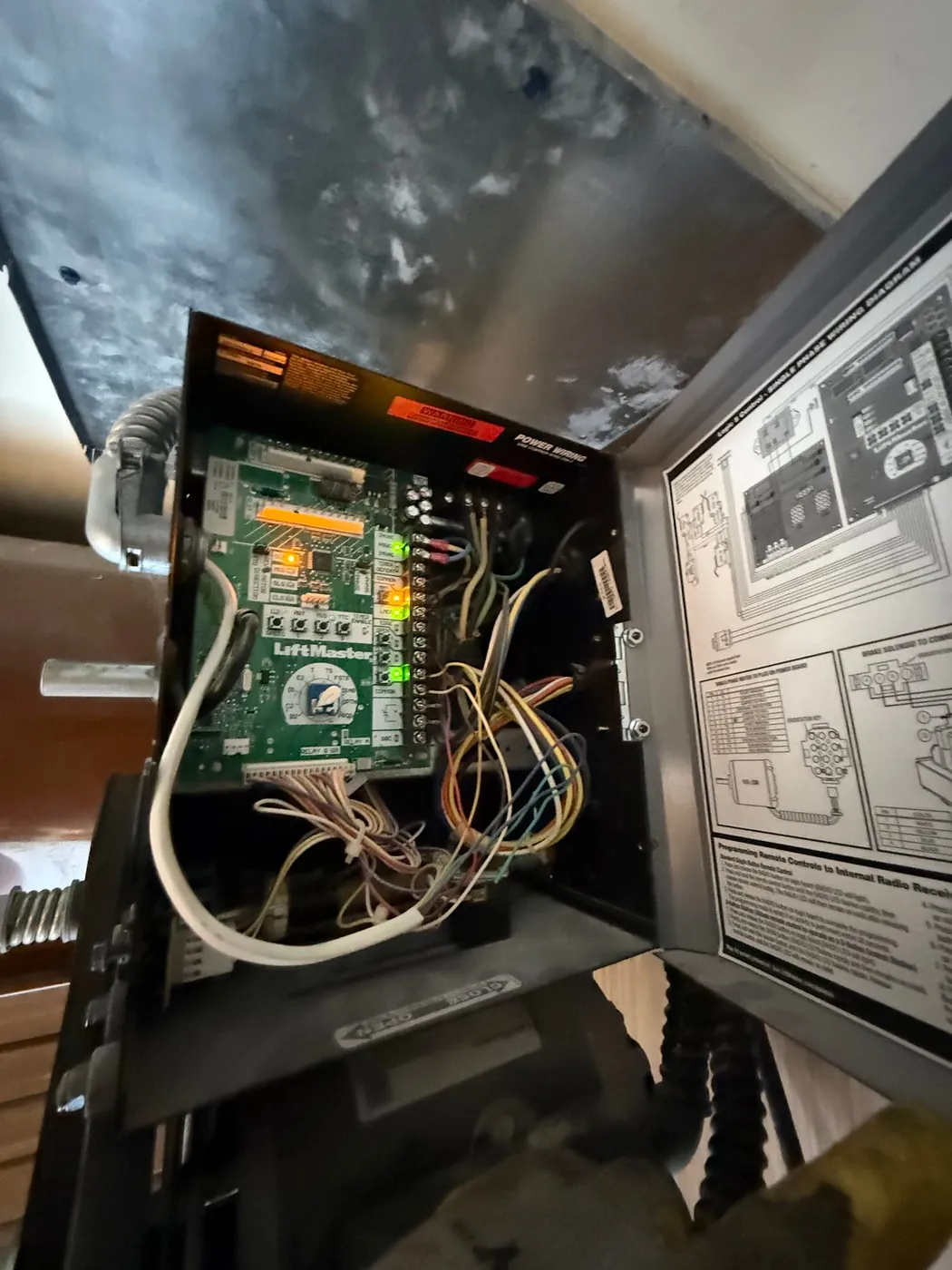
Wiring and logic board inside a garage door opener during a CMC service call
When we come out

What a service call looks like

We diagnose on site, tell you what failed and why, and give you a written price before touching anything. If it turns out to be something you could have fixed in five minutes, we will say so.

Our trucks carry springs, cables, rollers, hinges and common opener parts, so most repairs finish in a single visit rather than needing a return trip.

FAQ

Frequently asked questions

Why does my garage door reverse before it reaches the floor?

Something is breaking the photo-eye beam, or the opener is reading mechanical resistance as an obstruction. Check the sensor LEDs first; if they are solid, look along the track at the height where it stops.

Why does my garage door bounce back up after closing?

The close-limit is set slightly too low, so the door hits the floor before the opener expects to and reads it as an obstruction. It is a small adjustment on the motor unit, but easy to overshoot in the other direction.

Should I just turn up the force setting?

No. That setting is what makes the door stop if it closes on someone. Turning it up masks the real fault and removes the safety margin at the same time.

Why did this start after a cold night?

Temperature changes stiffen grease and contract metal, which raises the resistance the opener sees. A door already close to its force threshold will start reversing. It usually means the door needs lubrication and a balance check rather than a new opener.

How much does this cost to fix?

Sensor realignment is often quick and we will say so if it is something you can do yourself. Opener repairs run roughly $200 to $350 and a full set of rollers $150 to $250 from our published Miami guide. The estimate is free either way.

Our work

Jobs like this one

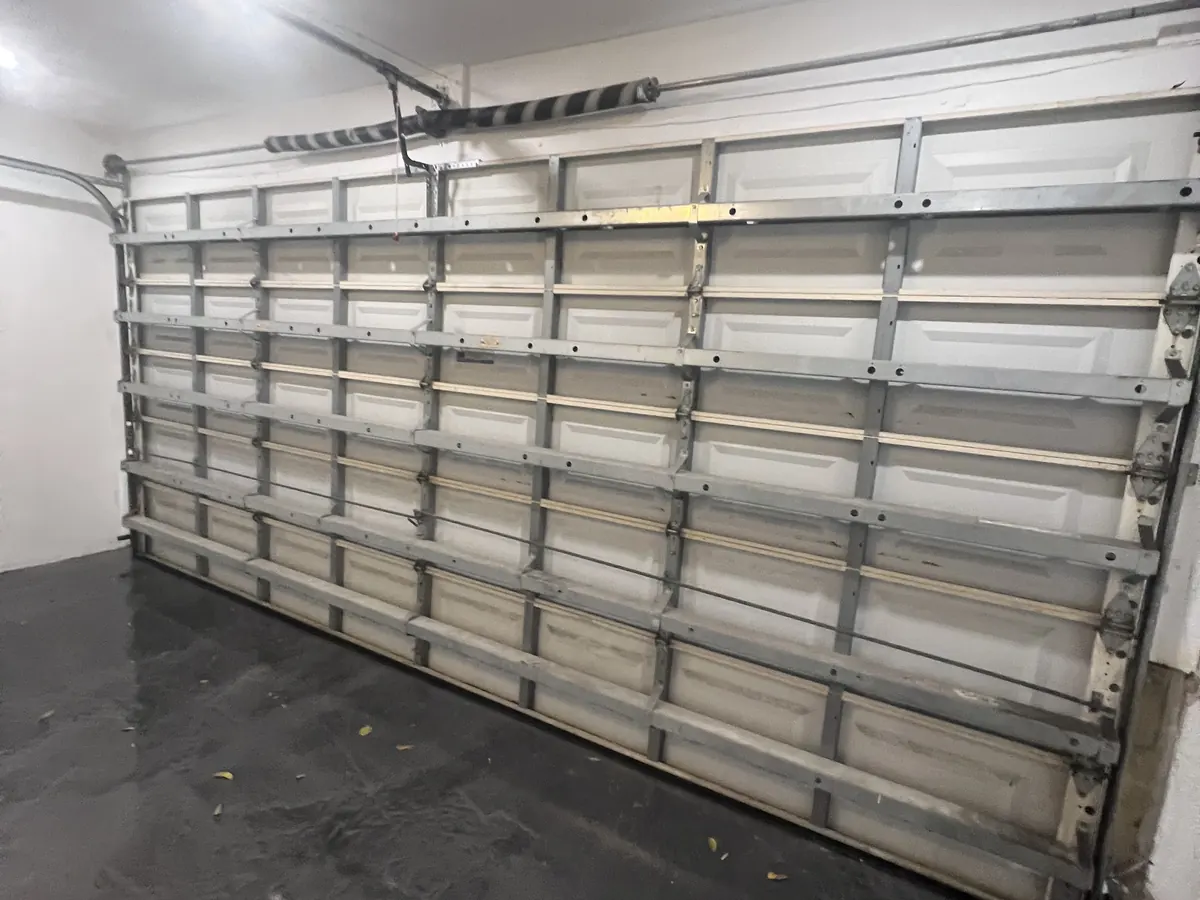
Our own work across Miami-Dade, Broward and Monroe County. No stock images.
Range

Models and collections we install

The doors, finishes and hardware we fit across South Florida.
What the work involves

How the job is actually done

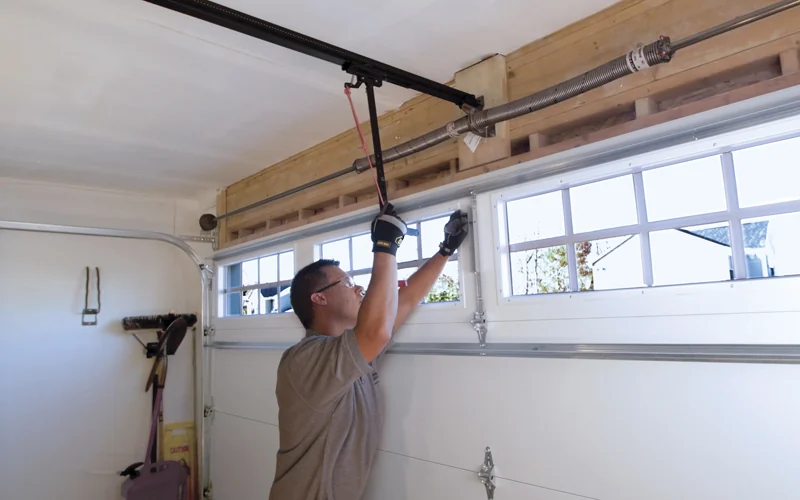
What a proper installation and service visit actually involves, step by step.
Want it looked at today?

Same-day service across Miami-Dade, Broward and Monroe County, seven days a week. Free estimates, upfront pricing.

Call Now Free Estimate